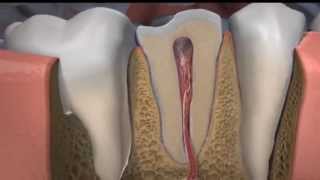
How Are Dental Implants Placed? Stages and a Step-by-Step Guide
What Stages Does Dental Implant Treatment Consist Of?
A dental implant consists of a screw placed into the jawbone in place of the missing tooth and an artificial crown seated on that screw. The treatment is not completed in a single session; it consists of several stages with waiting periods in between. In this article we describe the stages of a single-tooth implant in the order you can follow them from start to finish, as if watching a video guide: assessment and imaging, planning, placement of the screw, the healing period and finally the abutment and crown stage.
The order of the stages is similar in most patients, but the durations and the preferred method vary from person to person. Bone structure, gum health, oral care habits and general health status are the main factors behind this difference. The definitive treatment plan is therefore prepared individually after examination and imaging by the dentist who carries out the implant treatment.
First Stage: Assessment and Imaging
The purpose of the first appointment is not to begin treatment but to decide whether the treatment can be carried out and how it should be done. When this stage is skipped, the position of the screw rests on estimation; in implant placement, however, the work is done within a few millimetres of neighbouring anatomical structures. Assessment is therefore the most decisive step of the treatment.
Clinical Examination
The dentist examines the area of the missing tooth, the neighbouring teeth, the teeth in the opposite jaw and the health of the gums. Oral care habits, clenching or grinding, smoking and any systemic diseases are discussed. Because the medication being taken also affects the treatment plan, it should be shared during this consultation.
X-Rays and Imaging Methods
Bone height and thickness cannot be assessed by eye, so imaging is obligatory. The first examination is usually performed with a panoramic X-ray. Where neighbouring anatomical structures need to be assessed in more detail, three-dimensional imaging may be requested.
- Panoramic X-ray: general assessment of both jaws
- Periapical X-ray: detailed examination of the tooth area concerned
- Three-dimensional imaging: measurement of bone volume and anatomical relations
- Intraoral scan or impression: a digital record for preparing the prosthetic part
The implant is not placed before these records are complete; the diameter, length and angle of the screw are determined directly from this data.
Second Stage: Planning
Planning is the stage in which the imaging data and the impressions are interpreted. At this stage the dentist clarifies into which area, at which diameter and at which angle a screw will be placed, and how the prosthetic part will be designed.
How Are the Position and Size of the Screw Determined?
The position of the screw is determined by assessing bone density, the distance to the roots of neighbouring teeth, the course of nerve pathways and the bite relationships together. Where digital planning is possible, the position of the screw is tested on a three-dimensional model before the procedure. This approach reduces unexpected situations that may arise during the procedure and makes the duration more predictable.
Patient Expectations During Planning
Planning is not only a technical calculation; it is also a consultation in which the patient’s expectations are discussed. How many teeth are missing, how visible the area is and the condition of the existing teeth are assessed in order to determine the approach for the prosthetic part. At this stage it is explained how the treatment will progress, how many appointments will be needed and what should be observed in the intervals.
Situations That Require Additional Procedures
If the bone volume is not sufficient to support the screw, bone augmentation procedures may be planned first. In that case placement of the implant is postponed by a few months. If a tooth needs to be extracted, or if the extraction is recent, waiting for healing or, where suitable conditions are provided, placing the implant in the same session are options that are evaluated.
Where extraction of a tooth is required, the article on wisdom tooth extraction may give an idea of the healing period after extraction.
Third Stage: Placement of the Implant Screw
The surgical stage is performed under local anaesthesia. In a single-tooth implant the procedure is short in most patients; however, the anatomy of the area and whether an additional procedure is needed change the duration. With local anaesthesia in place the intervention is not felt as pain, although pressure and vibration may be perceived.
Preparation Before the Procedure
Before the surgical appointment, the medication being used and any blood-thinning treatment are shared with the dentist; if considered necessary, the relevant physician is consulted and an adjustment is made. Sufficient sleep the night before, coming to the appointment having eaten and making a plan for the first hours afterwards make the process easier. To reduce the likelihood of bleeding and swelling, it is recommended to avoid intense physical activity on the day of the procedure and to set the first day aside for rest. If a long journey or an important meeting is planned, care should be taken that the appointment does not clash with that schedule.
Sequence of the Procedure
- Anaesthetising the area and cleaning the inside of the mouth
- Making a small incision in the gum or creating a path down to bone level
- Preparing the bone with gradually increasing thicknesses matching the diameter of the screw
- Placing the screw at the planned angle and depth
- Fitting the cover screw and applying sutures if required
The difference between techniques in which sutures are used and those in which they are not changes the care topics during the healing period; for details you can look at the article on sutured implant treatment. The general flow before, during and after the procedure is described step by step under how implant surgery proceeds.
Fourth Stage: Healing and Osseointegration
The actual process that turns the implant into a tooth takes place at this stage. Osseointegration means that bone cells grow towards the surface of the screw and surround it. Until this fusion is complete, a permanent crown is not made on the screw.
Factors Affecting the Healing Time
- The density and volume of the bone
- The region where the implant is placed: the front region or the back region
- Whether additional bone was applied during the procedure
- Regular continuation of oral care
- Smoking and general health status
The healing period lasts several months in most patients; the duration may be shorter or longer depending on the individual. During this period it is important that no force is applied to the area, that the care instructions given are followed and that follow-up appointments are not missed. For an overview in which all the stages are considered together, the article on the complete implant treatment process may be a guide.
Care and Nutrition During the Healing Period
During this period cleaning of the area is continued as advised by the dentist and with gentle movements. In the first days it is recommended to avoid very hot, hard and crumbly foods and, where possible, to continue chewing on the other side. Keeping away from smoking is emphasised in particular, as it may delay the healing of wounds in the mouth. Touching or playing with the screw with the tongue or a finger and constantly checking the area is not helpful; healing proceeds on its own and is assessed at the follow-up appointment.
Fifth Stage: Abutment and Crown
Once healing is complete, the implant has become integrated with the bone and is able to carry the visible part of the tooth. At this stage an intermediate piece called the abutment is placed on the screw, after which the crown is prepared. The angle and height of the abutment are chosen so that the crown sits in the correct position within the natural line of teeth. The selection of this piece and the shaping of the gum around it are the steps that determine the aesthetic and functional harmony of the result.
Impression and Preparation of the Crown
After the gum has been shaped, an intraoral scan or impression is taken and the laboratory stage begins. The crown is prepared taking into account the colour and form of the neighbouring teeth and the bite relationships. The aim is not only to complete the missing tooth but to ensure that the bite works in its natural order. Because aesthetic expectations are more pronounced in the front region, planning may differ; these details are covered in the article on front tooth implant treatment.
Fixation and Check of the Crown
The crown is checked in the mouth at the trial stage; contact points and the bite are adjusted. When it is found suitable, it is fixed. At the final appointments the health of the gum around the screw and cleaning habits are assessed and care recommendations are shared.
Timeline of the Stages
| Stage | What is done? | Approximate timing |
|---|---|---|
| Assessment and imaging | Examination, X-ray and, if needed, three-dimensional imaging | One or two appointments |
| Planning | Position and diameter of the screw and design of the prosthetic part | After imaging |
| Placement of the screw | Surgical procedure under local anaesthesia | A single session |
| Healing | Waiting for the bone and the screw to fuse | Usually several months |
| Abutment and crown | Impression, crown preparation and fixation | Several appointments |
The timings in the table are a general framework; when additional procedures such as bone augmentation are required, the timetable becomes longer. The plan is shared in writing after the examination and X-ray assessment. The factors that determine the fee for implant treatment are explained within the same plan, over the procedures to be carried out, the condition of the area and the prosthetic material chosen. For a comparative view you can look at the article on factors affecting dental implant prices.
What Should Be Considered at Each Stage?
During the assessment period, the medication being used and systemic diseases must be shared in full. Following the care instructions given in the first days after surgery, not straining the area and attending follow-ups at the recommended intervals are the most fundamental behaviours affecting healing.
Oral care is one of the most decisive factors in the long-term use of an implant: regular cleaning around the gum, the use of interdental brushes or interdental cleaning tools, and regular check and cleaning appointments are all part of this. Stopping or reducing smoking is recommended both for healing and for long-term care.
In the first weeks after the crown is fixed, getting used to the bite may take some time; if a marked height or discomfort is felt, this should not be ignored and should be mentioned at the follow-up appointment. Follow-up appointments are planned as part of the treatment and should not be missed. When findings such as bleeding, sensitivity or discolouration around the gum are noticed, contacting the dentist for an early assessment is the most appropriate approach.
If more than one tooth is missing, or if the jaw is completely toothless, planning differs markedly from a single-tooth procedure. In such cases the articles how full-mouth implants work and having all teeth replaced with implants describe the general framework of the process. For the basic concepts of a single-tooth procedure, the page on dental implants can be a starting point.
Frequently Asked Questions
How many stages does a dental implant take to complete?
A single-tooth implant is usually completed in five stages: assessment and imaging, planning, placement of the screw, the healing period and the abutment and crown stage. If additional procedures such as bone augmentation are required, intermediate stages may be added.
Is pain felt while the implant screw is placed?
Because the procedure is performed under local anaesthesia, the intervention is not felt as pain while it is in progress; pressure and vibration may be perceived. After the effect of the anaesthesia wears off, sensitivity or mild swelling that may last a few days can occur, and this is managed as advised by your dentist.
Can a temporary tooth be made on the implant during the healing period?
In some cases a temporary solution may be planned for aesthetics and function, but it must be designed so that it does not transfer force to the screw. Whether it is suitable is decided by assessing the initial stability of the screw and the conditions of the area.
How is it understood that the implant has fused with the bone?
Fusion is assessed by clinical examination and, when necessary, by X-ray. The screw not moving, the presence of healed gum tissue around it and bone contact being observed on imaging are parts of this assessment.
What determines the fee for dental implant treatment?
The factors determining the fee include the condition of the area, whether an additional procedure is required, the prosthetic material and the scope of the laboratory stage. The definitive plan and the relevant amount are shared in writing after the examination and X-ray assessment.
Related content
- Dental implants
- How are full-mouth implants done?
- Sutured implant treatment
- How does implant surgery proceed?
- The complete implant treatment process
- How are front tooth implants done?
- Having all teeth replaced with implants
- What to consider when choosing an implant
- Factors affecting dental implant prices
- Wisdom tooth extraction
Last updated: October 2026 · This content is for information purposes; consult your dentist for diagnosis and a treatment plan.